


Recommended combination


Product description
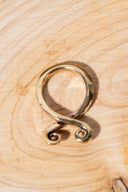
The Viking pendant depicts a troll cross. The origin of the troll cross (Swedish: Trollkors) is highly controversial. Since there is virtually no archaeological evidence for it, there is much speculation and uncertainty as to whether or not it is a genuine symbol from the Viking Age or the Middle Ages. The troll cross probably goes back to an ancient custom that is widespread across large parts of Scandinavia. It is said that iron troll crosses were placed over front doors, windows and barn doors to protect people, livestock and homes from cunning trolls, evil magic, ghosts, diseases and all kinds of other dangers. Due to its shape, the troll cross is sometimes associated with the Odal rune Othala from the older Futhark alphabet, which represents ownership and inheritance — though no verifiable sources exist for this hypothesis. There are therefore no archaeological sources to confirm that the troll cross was worn as jewellery in the (early) Middle Ages, but amongst modern Vikings it is regarded as an important sign. In Germanic-neo-pagan circles (including Ásatrú), the troll cross is today a popular protective amulet.
Product details
Product details:
Material: bronze
Dimensions: 3.40 cm × 2.30 cm
Delivery excludes chain
Incl. wooden scabbard with leather and sword hangers (max. belt width 7 cm)
Based on a historic original
Shipment weight (grams): 25


